

By Muheeb Mashood
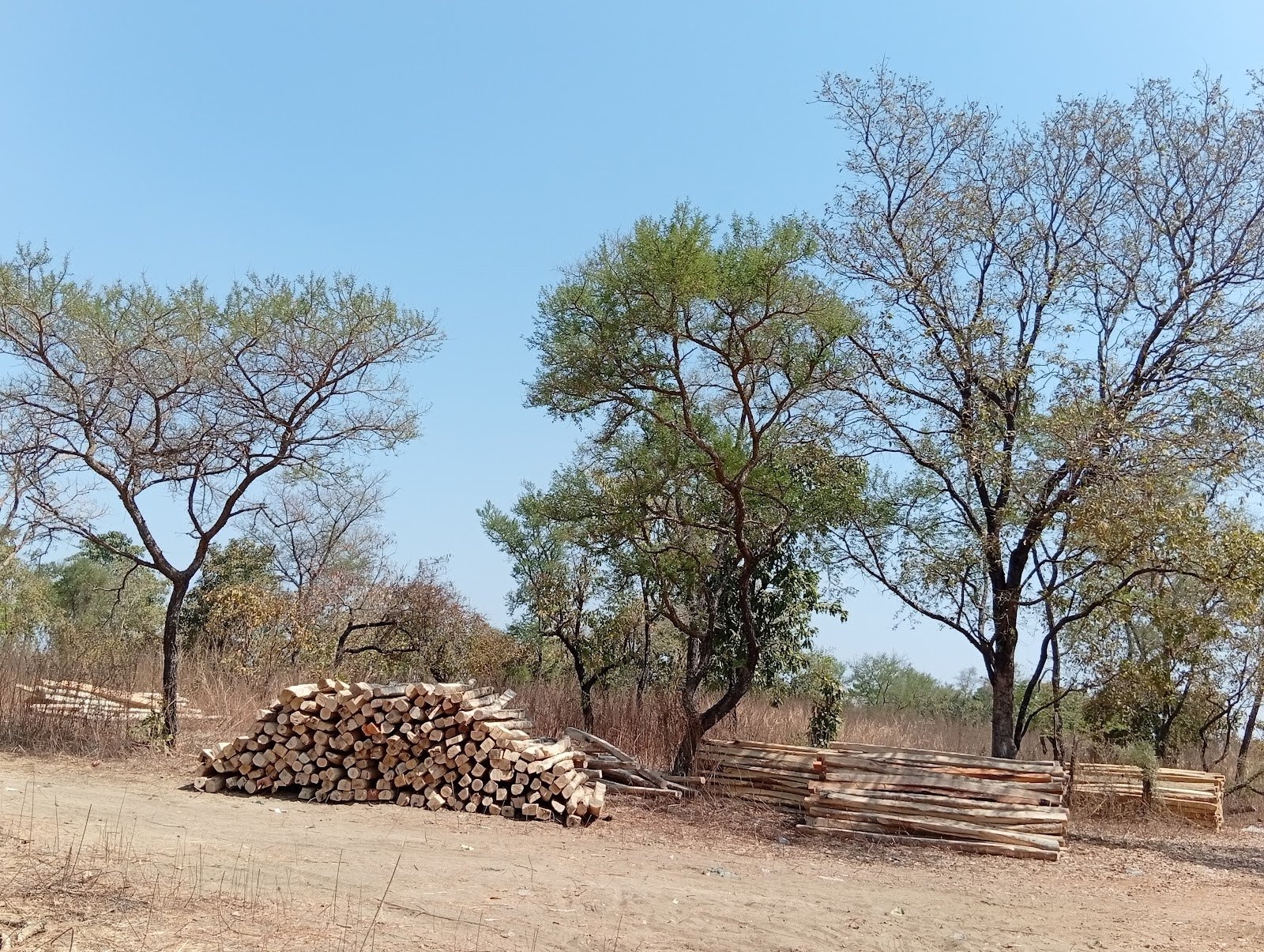
As criminals turned Kwara State into a hotbed of insecurity in 2025, the government partnered with the Lafiagi Emirate Palace to establish a reserve for clearing the Gbugbu–Lafiagi Forestland. The forest houses hundreds of plants, but has also become a fortified enclave for networks of armed bandits, linked to terrorism, kidnapping, armed robbery, and cattle rustling. To minimise the resource implications of this initiative, the government invited Agegilodo, a Yoruba language commonly used to refer to lumbermen, from Lafiagi, Gbugbu, and as far as Ilorin, to operate and make a fortune from the reserve.
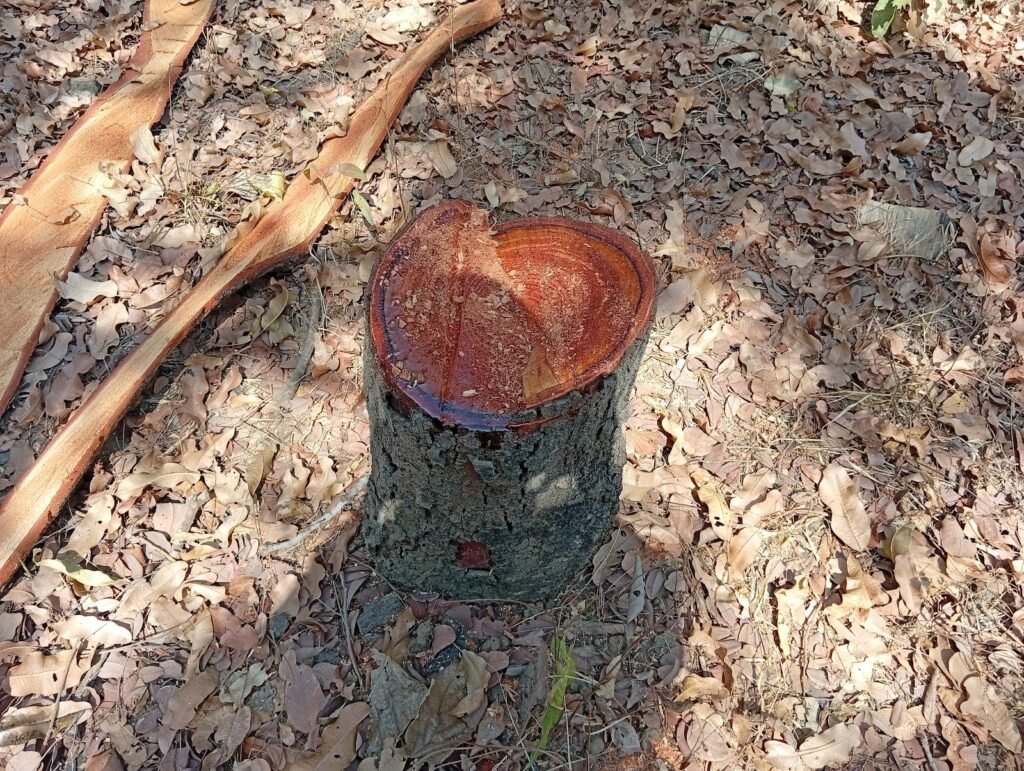
Investigation revealed that, owing to a lack of regulatory compliance, monitoring, and inspection, those loggers cut as much as they could afford, without regard for extant laws.
Nigeria’s Deforestation Crisis
With at least 55.7 percent of the country’s primary forests already lost, Nigeria accounted for the highest level of deforestation worldwide between 2000 and 2005. Fifteen years later, the country lost 97.8 kilohectares of its natural forest, equivalent to 59.5 metric tons of CO2 emissions. The firewood export market contributes to this menace. In the first quarter of 2025, the country exported wood valued at N65.85 billion and over the past two decades, 1.14 million hectares of tree cover in Nigeria disappeared. Nigerian Conservation Foundation’s (NCF) reports that 96 percent of Nigeria’s original forests have vanished.
Unregulated logging activities, such as those in the Gbugbu–Lafiagi Reserve, worsen the destruction of Nigeria’s forests and biodiversity.
A Lucrative Industry
Characterised by heavy military vehicular movements, the four–hour transit from Ilorin, the capital of Kwara State in North Central Nigeria, to Gbugbu in Edu Local Government Area, was also marked by tension, fatigue, and bumps. Deep inside the Gbugbu–Lafiagi Forestland, the atmosphere was filled with the deafening noise of chainsaws. Littered with fallen trees, the once green enclave is now home to hundreds of plants whose existence has come to an end after decades of survival. Among those trees, others have been turned into lovely planks, arranged in orderly rows. The government perceived the decision as an emphatic move to tackle the growing menace of insecurity plaguing the state, while generating revenues. To the tree cutters, it’s simply a way to make a living.
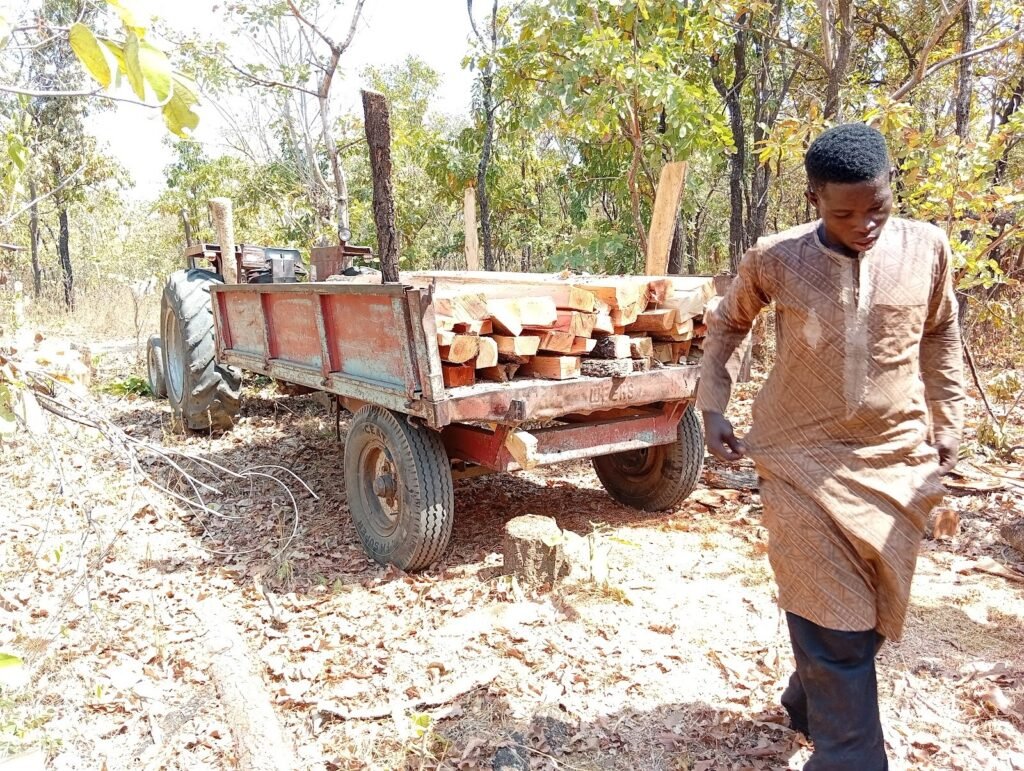
The fortunes made from the Kwara forests are far-reaching. Alaga, one of the lumbermen, shared that a truck that accommodated 105 planks would cost N330,000 ($224.74 USD) if sold at the Gbugbu depot. More than 50 trucks have been harvested over the past couple of weeks. Although the expenses would also increase, owners make more money if transported to their respective sawmills to meet end users.
“Like this, I’m taking my own to our sawmill in Ilorin. I may sell it directly in this size, and it can be cut to smaller sizes based on the demands of buyers.”
He also mentioned that the timbers sometimes find their way out of Kwara, travelling as far as Ogbomosho in Oyo State, Kaduna, and other parts of the country, depending on buyers’ demand. Neither Alaga nor other members of Agegilodo can give a definite number of how many trees have fallen since they began the operation. However, Kazeemu, a chainsaw operator, pointed to a section of the organised timbers, saying, “Those are made from more than 100 standing trees.”
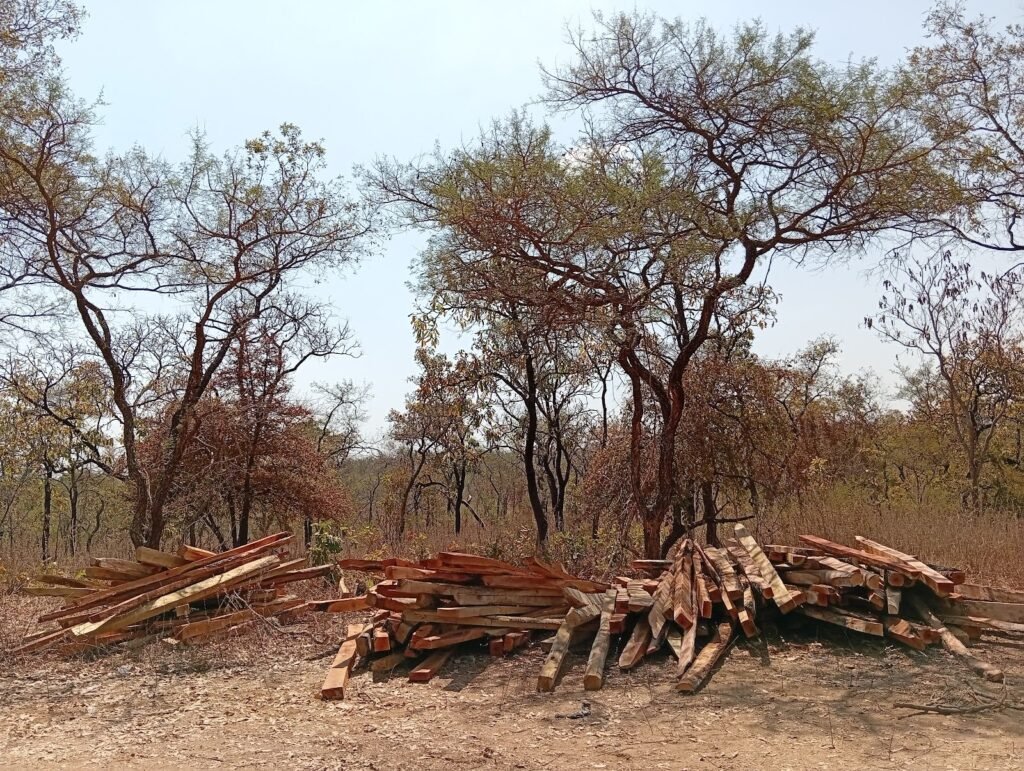
“We don’t uproot the trees, we cut them in such a way they grow again,” Alaga remarked, laying claim to professionalism, but he also acknowledged that it makes no difference.
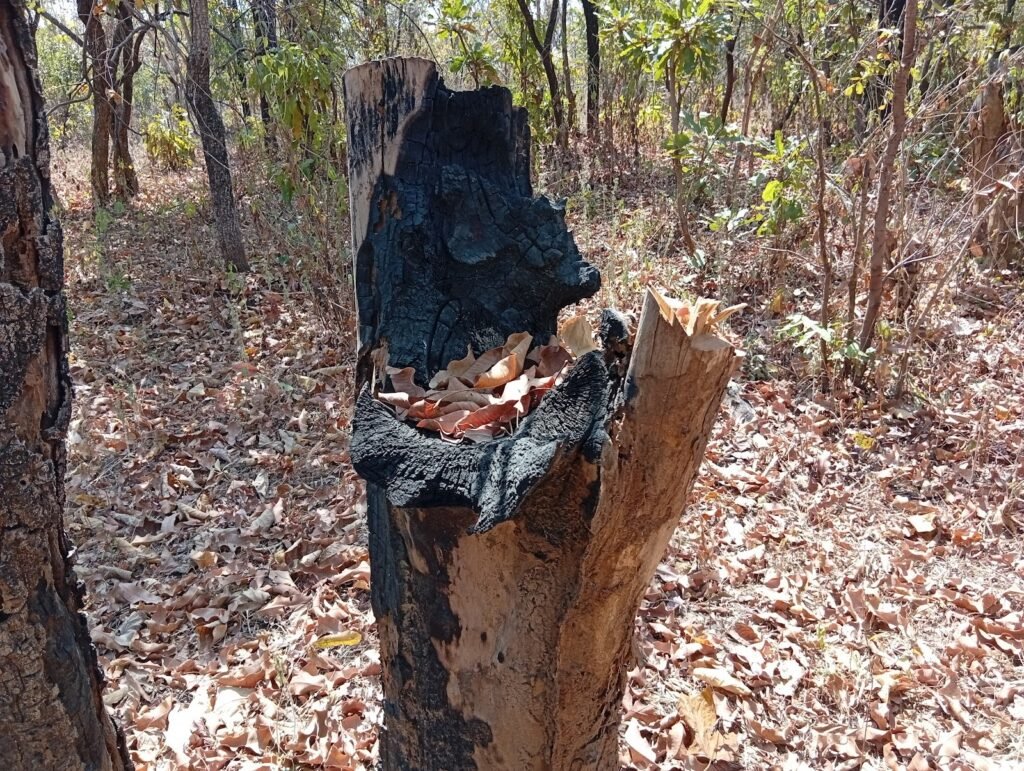
“Even those trees we spared will take years to grow. All these you are seeing have been cut for a long time, more than six years ago.”
The logging activities follow a hierarchical system. Each group has a leader who supervises and pays at least five people. While some leaders operate the chainsaw machines themselves, others buy and hire independent operators. This means the leader of each team is the sole owner of the finished timbers.
The business’s profitability is evidenced by the fact that people travel more than 110 kilometres from Ilorin to spend three weeks on the job and are ready to give up more if the work continues, disregarding security threats.
“All of us in this place come here from Ilorin. Every day, we set out for the forest from 9 am and return at 4 pm. Although it’s not easy, the payments are worth it,” Kazeemu said.
“We normally charge N30,000 ($20.43 USD) for each tractor we move out. A truck has the capacity to carry 105 planks at a time,” Abdul, one of the tractor operators, said.
Abdul explained that the planks will later be moved to a depot, where they will be delivered to several sawmills across the state. From various sawmills, the planks were sold to carpenters who used them to build housing. Alaga notes that the government also benefits from this ecosystem
“In the past, we did not pay much if we wanted to do this kind of operation. But for this, we paid over N5 million ($3,405.20 USD) as taxes to the government and the Etsu Palace. We have never paid this huge sum before.”
Poor Regulations
To curb deforestation and protect the natural ecosystem, the Kwara State House of Assembly passed the Charcoal Production (Prohibition) (Amendment) Bill 2025. The law highlights penalties for illegal felling of trees, as well as for the production, transportation, storage, and commercial sale of charcoal across the state’s 16 local government areas. While a total logging ban has not been implemented, existing policies aim to promote sustainability. Regulations such as the one mandating that anyone who fells a tree plant two in its place are on the books, but regularly ignored.
Admitting to the existing regulations, Alaga recounted “there’s a year when we carried out this kind of operation, the authorities strictly demanded that we must observe the ‘cut–one, replace–two’ regulations.”
“This is not easy for us. We would rather find an open area than do the plantations before cutting the trees.”
However, the reporter confirmed that there was no provision for similar moves in the Gbugbu–Lafiagi reserve operation.
Implications
The existence of living organisms depends on biodiversity. With variability representing the natural composition of plants, animals, and microorganisms, the complexity of ecosystems regulates diversity among species and across ecosystems. From healthy environmental services to disease regulation and climate stabilisation, the need to preserve these interdependent ecosystems is prominent for human survival.
According to a report published by the World Health Organisation (WHO), the benefits of biodiversity are enormous to human well-being. Human health relies on ecosystems’ resources, services, and products, including fresh water, food, and fuel. Significant medical and pharmacological discoveries are made through a greater understanding of biodiversity, which serves as the source of traditional and complementary medicines. Over 50 percent of modern medicines, including antibiotics from fungi and painkillers from plants, are derived from natural sources. Forests store 80 percent of terrestrial biodiversity, absorbing approximately 2.6 billion tonnes of carbon dioxide annually,and helps to mitigate climate change.
Beyond the health and climate impact of deforestation lies a story of chronic economic damage. Over 75 percent of the global food crops depend on pollinators, contributing $235–$577 billion to global agricultural output every year. Invasive alien species account for 60 percent of species extinctions, leading to $423 billion in annual economic damage worldwide. Yet, as the Kwara situation indicates, attacks on biodiversity remain on the rise in Nigeria, further aggravating harsh climate conditions and leading to the extinction of useful species and wildlife.
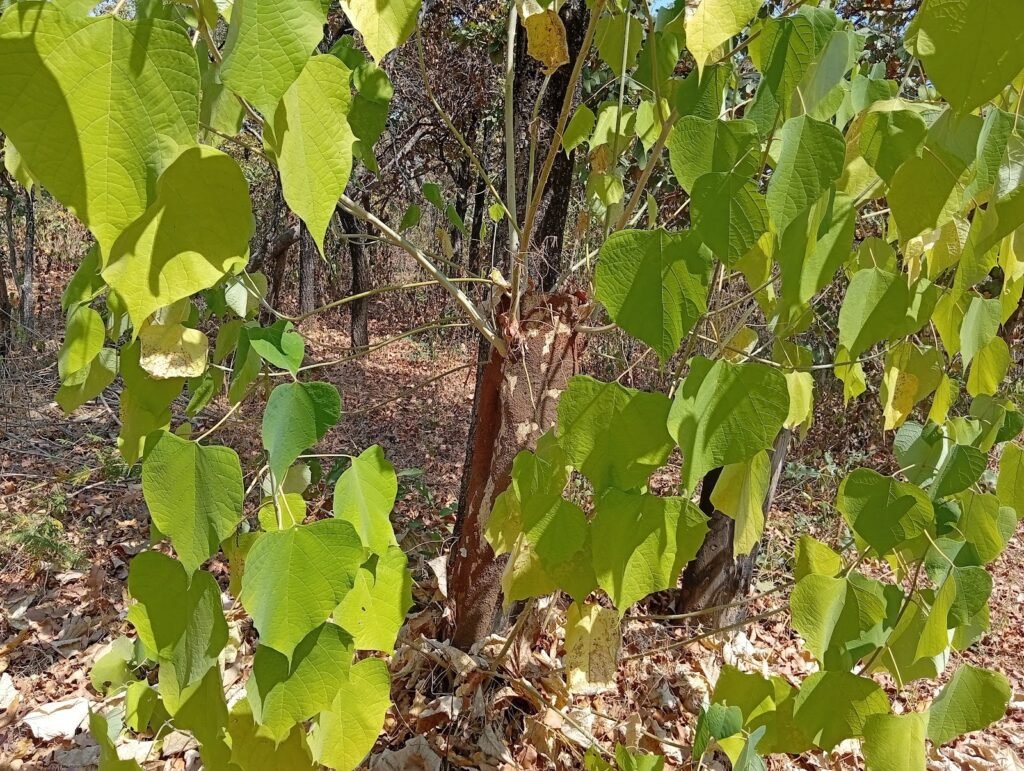
“When forests are cleared for purposes like logging and charcoal, we lose far more than just trees. Entire communities of plants, fungi, animals, and even mineral sources, all integral to drug discovery and traditional medicine, are destroyed in the process,” said Muhammad Kabir Musa, a doctoral scholar of Pharmacy at the University of Michigan.
Food Security At Risk, Notes Expert
During an interview, Dr Abdulhamid Burour Ibrahim, a wildlife ecologist, ornithologist, and conservationist at Ahmadu Bello University, Zaria, bemoaned the impact of these activities.
Dr Abdulhamid expressed greater concern about how wildlife specimens that depend on plants have been severely affected. He argued that as time passed, the population of some species reduced and became endangered, leading to the extinction of those that couldn’t survive. The other point is the reduction of soil fertility, which leads to low agricultural production,” he said. “Therefore, this undermines our food security.”
“With the depletion of forests and woodlands, a lot of biodiversity gets affected in terms of survival and reproduction. Many trophic levels make up the food chain in a sequence. The reduction of some species of plants and animals within the ecosystems affects the food chain.”
According to Dr Abdulhamid, there are more consequences. He explained that vanishing forests lead to deforestation and, in turn, affect the weather variables. “And once the weather variables: temperature, rainfall, relative humidity, wind speed, etc., are affected, it gradually leads to climate change.”
He noted that the environmental changes drastically affect biodiversity, with humans suffering the ripple effects.
All efforts to speak with the Kwara authorities proved unsuccessful. When contacted, calls and messages to Nafisat Buge, Commissioner for Environment, Kwara State, went unanswered. This reporter also made several calls to the Kwara State Environmental Protection Agency (KWEPA) hotline, but the calls went unanswered. We delivered texts and WhatsApp messages, but have not received a response as of the time of filing this report.
This report was published with support from Civic Media Lab under its Grassroots News Project (GNP)