

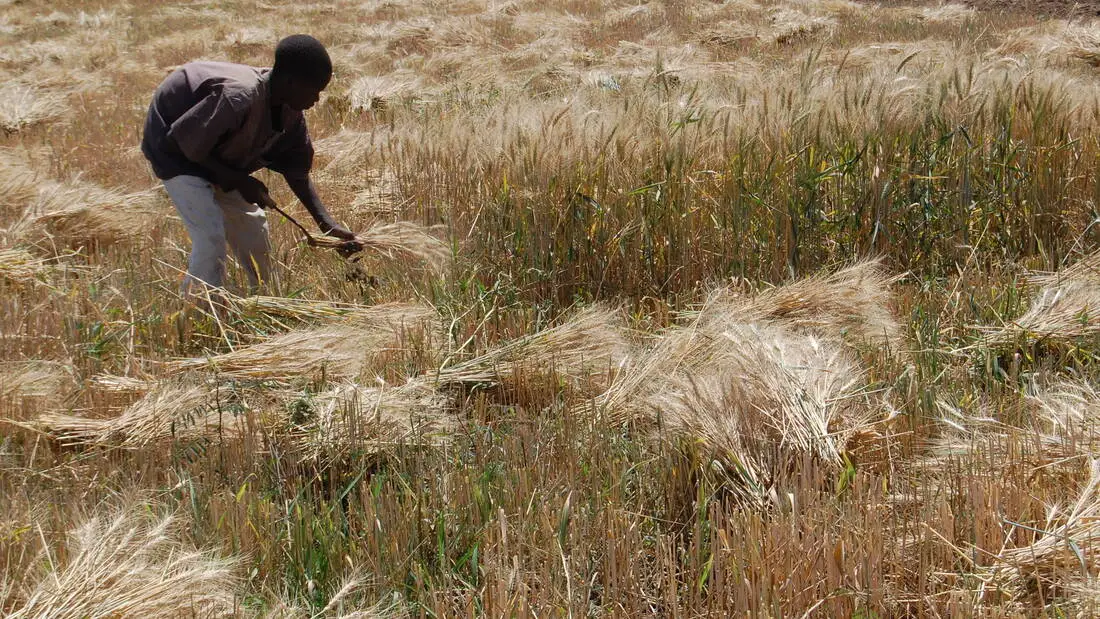
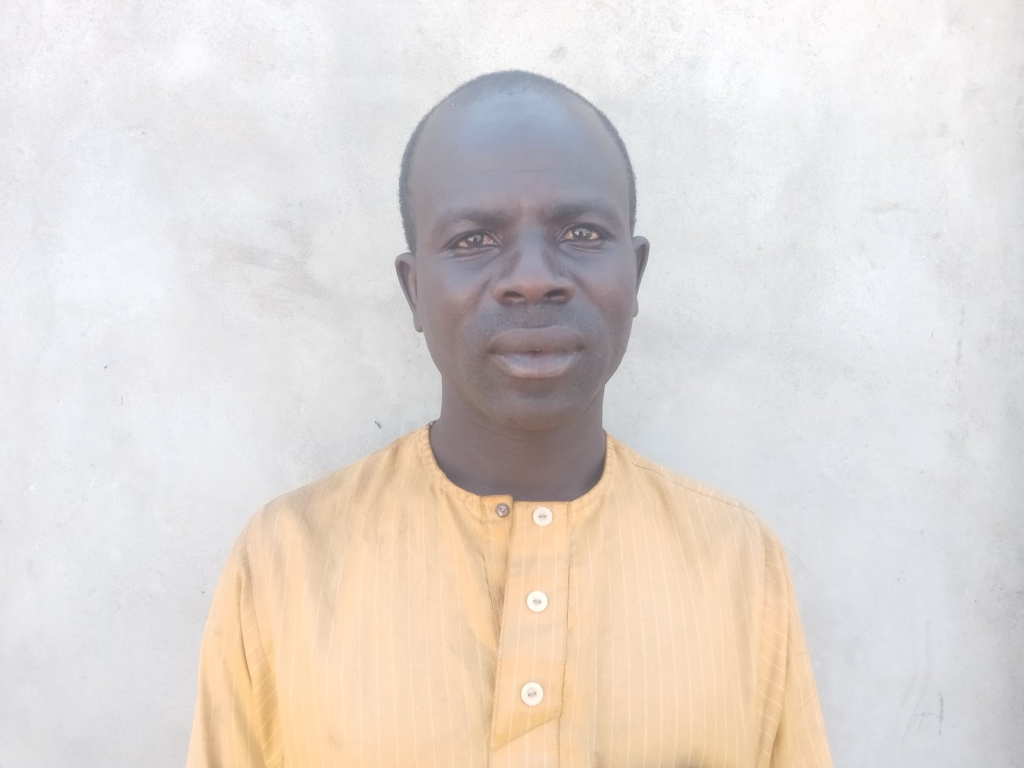
When 45-year-old Sulaiman Auwal stood on his wheat farm in Amaskuka village, Auyo Local Government Area of Jigawa State, he expected the 2024 wheat farming season to be one that would sustain his family and fund his next planting cycle. He had planted more than 5 bags of wheat seed through government-backed cluster community groups, hoping to harvest at least 50 bags, as he had in previous years.
What he harvested instead was barely five bags. “The loss was so discouraging that I’ve abandoned my farm,” Auwal said quietly, pointing to his wheat farm field that once promised prosperity. To him, the wheat grew unusually tall, lodged repeatedly, and produced very little grain. “It was a total loss,” he said, blaming the outcome on the quality of the seeds supplied.
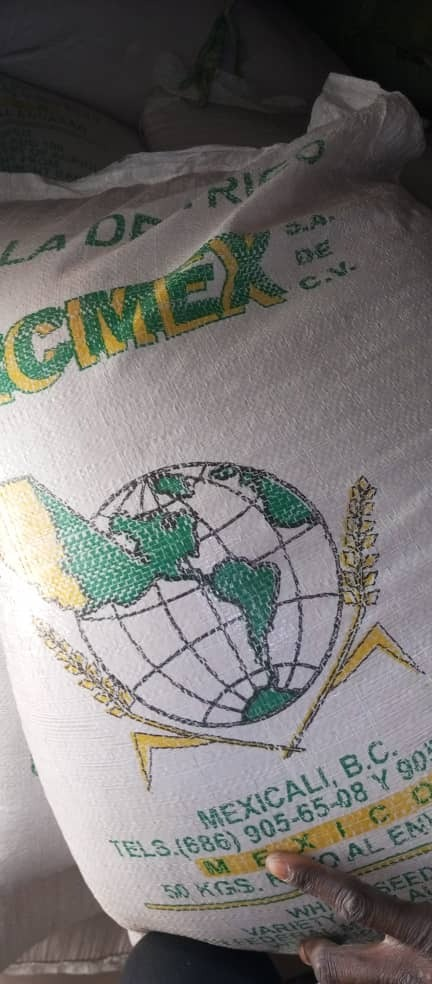

According to the data, about 279,297 registered farmers countrywide received farm inputs and technology, with an output value of N893,750,004 for the 2024/2025 season. In Jigawa, about 60,000 registered wheat farmers received three bags of NPK fertiliser, two bags of urea fertiliser, and one bag of certified wheat seed. These items were given to the selected beneficiaries at the subsidised rate of N159,189.
Also, a report by the African Development Bank (AfDB) on the project, which WikkiTimes reviewed, indicates that the wheat seeds distributed to farmers are an improved variety that could yield higher harvests. Similarly, the seed, according to the report, can withstand drought and other climate-related conditions, helping Nigeria achieve self-sufficiency in wheat production, especially in the aftermath of the ongoing Russia-Ukraine war, which disrupted wheat supplies to global grain markets.
Similarly, through another dry-season wheat-cultivation support program, the Jigawa government, in partnership with the Flour Milling Association of Nigeria (FMAN), launched in the 2023/2024 wheat farming season, the initiative initially supported 5,000 farmers with input loans, repayable in grains at harvest. However, for the 2024/2025 wheat cultivation season, the program has been significantly expanded to 10,000 farmers who received input loans under the same structured repayment model. To strengthen extension services, the partnership has trained about 50,000 farmers to enhance productivity and sustainability in wheat farming.
Several wheat farmers in Jigawa had taken loans for the inputs, only to be left with debts they now struggle to repay.
Sabiu Garba, 35, who manages his father’s farm, tells a similar story. He planted wheat expecting to harvest at least 40 bags. At the end of the season, he harvested only four bags.
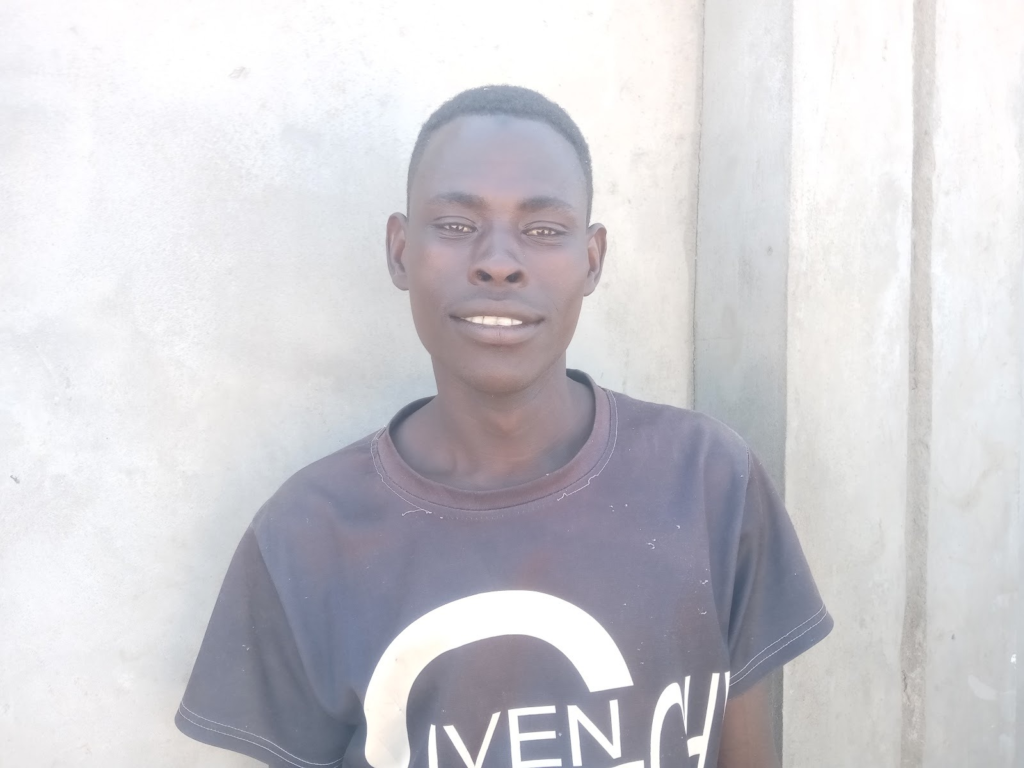
“We took loans from the government for farming inputs, hoping for a good harvest,” Sabiu said. “But the seed did not give us the desired yields. After germination, the wheat grew too tall and kept collapsing,” he added.
Sabi’u’s loss wiped out plans for his family to buy a motorcycle. “Those dreams are now gone,” he decried.
According to Sabiu, cultivating wheat is not just a livelihood but a way of life. “I don’t do anything else,” he said. In previous years (2023/24), he explained, farmers relied on seeds they stored at home after successful harvests, sometimes producing more than 100 bags. Last season’s harvest, he said, “made us almost cry.”
Other farmers echoed these experiences. Abdullahi Ubali, a 42-year-old father of six who has farmed wheat for nearly two decades, described the last season as the worst of his life. Expecting at least 15 bags, he harvested only three.
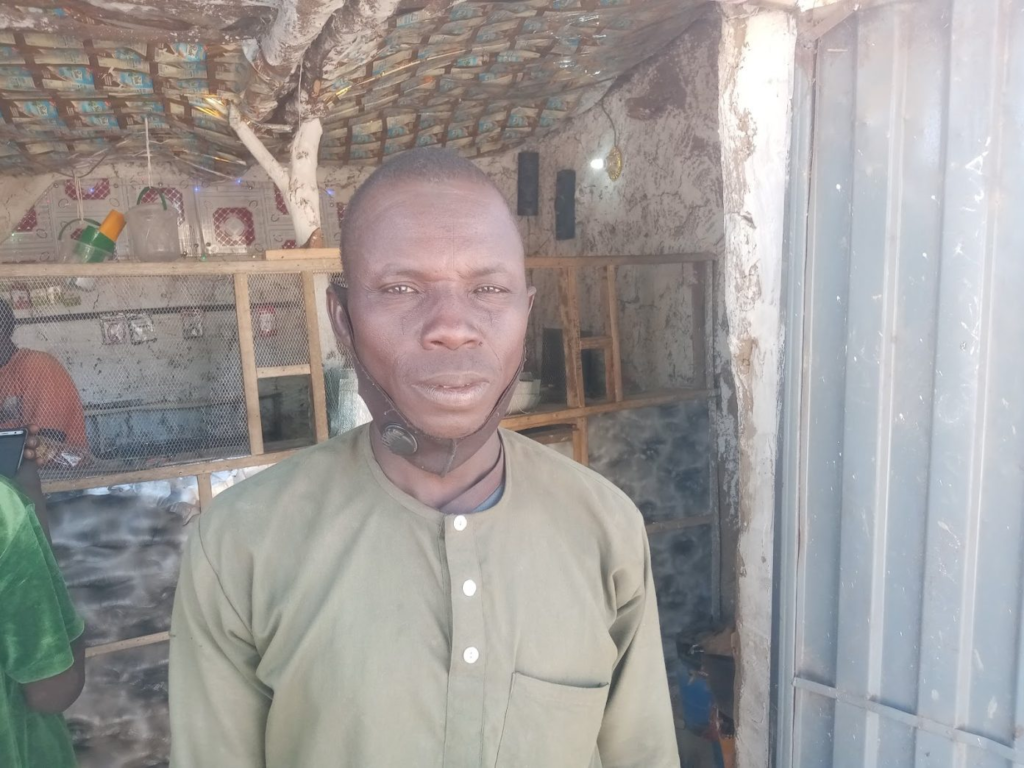
“We collected the seed loan from the government and other inputs that did not give the expected yields,” he said, appealing for intervention and debt relief. “We simply can’t repay the loans.”
For younger farmers, the losses derailed life plans. Yakubu Mamuda, 28, from Hadejia, said he had hoped to get married and buy a motorcycle with proceeds from his wheat harvest.
“All those plans collapsed,” he said. Disillusioned, he has decided to quit wheat farming entirely. “Even if they offer free seeds and fertiliser, I won’t take anything from the government again. It means more stress,” he insisted.
Abba Engineer, another farmer, described the season as a financial disaster. He hired a conveyor harvester but could not afford to pay after the poor harvest.
“I ended up running away,” he said, adding that the harvester owner later accepted half payment out of pity.
Reflecting on the failure, Abba said he followed recommended farming practices and believes the seeds were the problem. He said another farmer who used seeds from the open market recorded better results.
Concerns about the seed’s low yield were also raised by Dr. Isah Bullami, a veteran wheat farmer and former chairman of the Hadejia Ina Mafita Initiative, a local organisation.
He said recurring losses linked to government-distributed seeds have made him reluctant to cultivate wheat in the 2025–2026 season. “If this trend continues, wheat farmers could be thrown out of their livelihoods,” he warned, especially with low market prices discouraging a return to farming.
Dr. Bullami called for subsidies on fertiliser, herbicides, and improved seeds, as well as insurance schemes within farmer cooperatives to compensate farmers when supplied inputs fail.
Agricultural experts say the farmers’ experiences reflect a broader problem. Dr. Muhammad Sani Gano of Sule Lamido University, Kafin Hausa, warned that low-yielding seeds, adulterated fertilisers, and poor-quality agrochemicals are major contributors to low yields.
He explained that such inputs can stunt plant development and reduce both the quantity and quality of harvests, urging farmers to use certified seeds and approved chemicals while calling on the government to take action against fake agro-dealers.
Farmers’ groups in the state said the losses, which run in millions of naira, have shaken confidence in wheat cultivation. Bulama Abdullahi Hussaini Waik, leader of the Wheat Farmers Association of Nigeria in Jigawa, said participation has dropped sharply.
In his community, Waik, nearly every household farmed wheat last year, but fewer than 10 per cent returned this season.
He blamed the losses on seeds distributed without adequate local quality testing and urged closer monitoring of contractors responsible for procuring inputs.
Similarly, Ahmad Zakar, Secretary of the All Farmers Association of Nigeria (AFAN), Hadejia branch, described the losses as alarming.
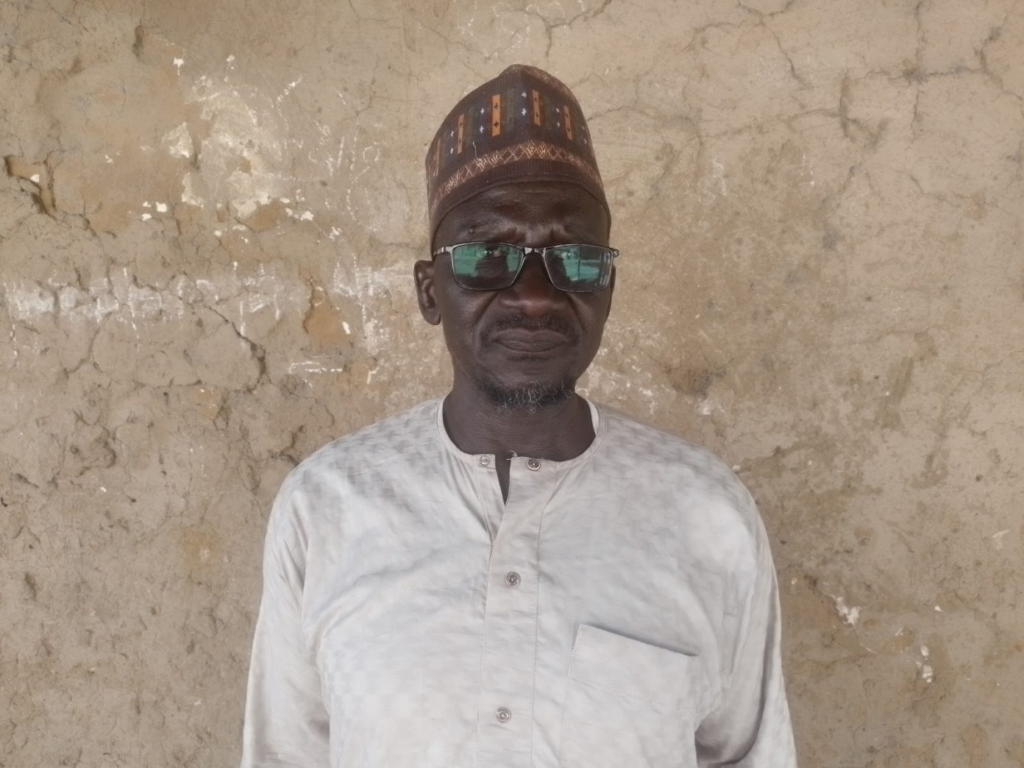
He noted that seed failure could be due to dormancy and said that wheat farming is highly sensitive to early-stage conditions. “In my area, not a single farmer has planted wheat this season,” he said, warning of declining confidence among farmers.
Jigawa Concedes Seed Failure
The Jigawa State Government has acknowledged problems with the seed distributed to farmers during the 2024/25 dry-season wheat cultivation. Dr. Saifullahi Umar, Director General of the Jigawa Agricultural Transformation Agency (JATA), conceded that a percentage of wheat seeds distributed during the 2024–2025 season failed to germinate.
He said that over 50,000 farmers received government support and cited climate conditions, fertilizer misuse, and falling wheat prices as contributing factors.
For farmers like Auwal and Sabiu, however, the explanations offer little comfort. With fields abandoned, loans unpaid, and trust eroded, they say the silence they face after the losses is as damaging as the failed harvest itself.
Agric Ministry Responds
Ezeaja Ikemefuna, Spokesperson of the Federal Ministry of Agriculture and Food Security, confirmed to WikkiTimes that low-quality seeds were reported during the 2024/2025 farming season, insisting that “they were found to be from Jigawa state Government supply source.”
Ikemefuna declined to divulge details of the suppliers allegedly supplying low-quality wheat seeds to Jigawa farmers when asked. “The supplier that supplied the seeds is easily identified and will be refunded or sanctioned according to the National Seeds Act and the regulations,” he said.
“There are multiple companies for the NAGS-AP project, but I don’t know the suppliers Jigawa State Government directly engaged within the purview of its support to wheat farmers within the period under review,” he said.
According to Ikemefuna, about 80,000 Jigawa wheat farmers received support during the 2024-2025 Dry Season Farming wheat cultivation programme under the NAGS-AP Project.
He explained that the Jigawa government provided support to some wheat farmers through a state-funded programme.
Mr Ikemefuna clarified that wheat farmers who received support under NAGS-AP in 2024, “pay their contribution before collection (of subsidised wheat seeds, fertiliser and other implements.”
This report was produced with support from Civic Media Lab

